
How to Build a Home Gym on a Budget
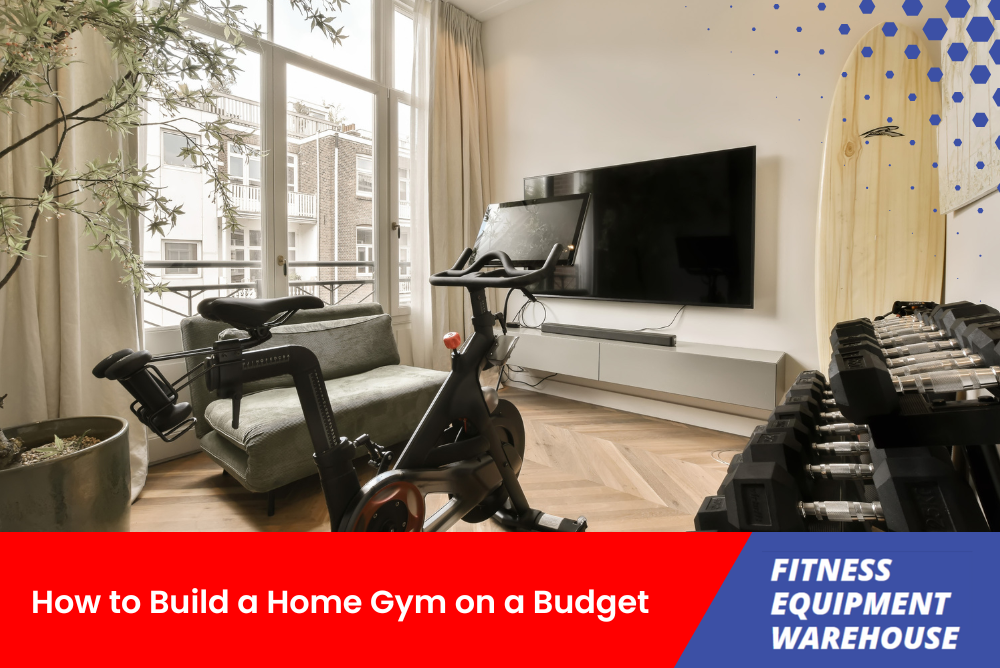
Building a home gym doesn’t have to drain your bank account. You don’t need shiny machines or a massive garage space. What matters is getting the job done, staying consistent, and choosing tools that match your goals. Whether you’re aiming to bulk up, lose weight or just stay active, you can make it work with a bit of planning and some smart choices.
You can start small and still train big. If you’re shopping around for gym equipment in Perth, Fitness Equipment Warehouse offers gear that’s affordable, durable and fits different training styles.
1. Start with a Plan Before You Spend
Most people fail here. They buy stuff without thinking it through. Don’t make that mistake. Ask yourself:
- What are your goals?
- How much space do you have?
- How often will you use the gym?
Start by picking your top 3 training goals. For example: build strength, improve cardio and stay mobile. That gives your setup direction. You won’t waste cash on things you don’t need.
Measure your space. A spare room? Garage corner? Backyard? It doesn’t have to be fancy. Even a 2×2 metre area works.
Once you’ve got your goals and space figured out, list what you really need to train. Stick to the basics. You can always upgrade later. A clear plan keeps you focused, saves you money, and helps you avoid clutter.
2. Focus on Versatile, Multi-Use Equipment
When you’re working with a budget, choose gear that does more than one job. Versatility is your best mate.
Instead of building around machines, it’s smarter to look at affordable home gym equipment options like resistance bands, adjustable dumbbells and kettlebells that work across multiple exercise styles.
Here are solid picks for a starter setup:
- Adjustable dumbbells – save space, hit all muscle groups
- Resistance bands – light, portable and surprisingly tough
- Kettlebell – use it for strength, cardio or both
- Pull-up bar – fits on door frames, builds real upper body power
- Yoga mat – core work, mobility, stretching
This kind of gear lets you do hundreds of exercises without needing lots of room or cash. Get tools that adapt with you as you get stronger.
3. Know What NOT to Buy Early On
People often think, “I need a treadmill,” or “I want a big home gym station.” That’s fine if you’ve got the space and the cash. But it’s not where you should start.
Skip these in the beginning:
- Big machines (unless second-hand and cheap)
- Fancy cardio gear
- Stuff you only use once a week
Try to build your training around budget-friendly equipment for building a home gym, not showpieces. This way, your money goes further, and your gear stays in use.
Start small. Build as you grow. You want to create habits first, then upgrade your setup.
4. Shop Smart: Where and How to Buy on a Budget
You don’t have to buy brand new. You just need quality.
Here’s where to look:
- Facebook Marketplace – heaps of people sell barely used gear
- Gumtree – bargain central for second-hand stuff
- Fitness retailers – look for clearance, ex-demo or end-of-line sales
- Garage sales – you’d be surprised what you can find
- Online outlets – compare prices across Aussie-based websites
If you’re strategic with your timing and sourcing, you’ll land quality gear at good prices. These tips for saving money on fitness equipment can help you spot deals without falling into the trap of buying cheap junk.
Some bonus tactics:
- Buy in bundles (saves on shipping)
- Pick up locally (avoid delivery fees)
- Wait for EOFY or Boxing Day sales
5. Prioritise Function Over Looks
Shiny equipment looks cool, but it doesn’t make you fitter. Results come from what you do with the gear, not how it looks in your spare room.
Ask these questions before buying:
- Can I train full-body with this?
- Does this solve a real need?
- Will I use this every week?
A scratched dumbbell still builds muscle. A scuffed bench still works for presses. Don’t pay for image. Pay for usefulness.
You want to invest in tools that will be used weekly, not items that gather dust after the first month. Keep it simple, keep it real.
6. Think About Flooring and Noise
Most people overlook this, but it matters.
If you train on tile or hardwood, you need protection. Use rubber mats, horse stall mats or thick yoga mats to protect your floor and your gear.
Also, consider your neighbours or housemates. Dropping weights or loud machines can cause drama. Get bumper plates or train during quieter hours. Noise control is part of a smart setup.
Bonus: mats also stop things from sliding and keep sweat off your floor. Small cost, big return.
7. Use Tech to Boost Results (Not Blow Your Budget)
You don’t need expensive apps or gear to train smart. Your phone and a few free tools are enough.
Here’s what you can use:
- YouTube – for workout ideas, mobility drills and motivation
- Free timer apps – for intervals, rest and circuits
- Google Sheets – to track progress
- Fitness trackers – optional, but helpful if already owned
If you’re trying to keep costs down, the tech you already own can go a long way. Get the most from what’s in your pocket before spending more.
8. Learn from Real-Life Setups
Let’s take Josh. He’s a sparky from Brisbane. During lockdown, he built a home gym in his carport using:
- 1 adjustable bench from Marketplace ($80)
- 2 second-hand kettlebells ($60)
- A resistance band pack from an online sale ($30)
- Pull-up bar for the back door ($25)
- Foam flooring from Bunnings ($40)
Total spend? Under $250.
Now, he trains four times a week, rain or shine. He saves time, stays fit and has zero excuse to skip a session.
This shows what’s possible with smart buys and strong habits.
FAQs
1) What’s the minimum I need to build a working home gym?
You don’t need much. To get started, all you really need is gear that hits all major muscle groups and supports different types of training. A set of resistance bands, an adjustable kettlebell or dumbbells, a pull-up bar and a mat will get you through strength, cardio and mobility work.
Think of it like this: if your gear lets you push, pull, hinge, squat, carry and move fast, you’re set. You can add more later once you know what you use most.
2) Can I build muscle with just basic home equipment?
Yes, 100%. You don’t need a full gym to build muscle. You need resistance, effort and good form.
With dumbbells, kettlebells, bodyweight, and bands, you can create enough tension to challenge your muscles. Focus on compound lifts: rows, presses, squats, lunges, and deadlifts. Mix in progressive overload by adding reps, sets or weight over time.
If you’re consistent and train hard, the muscle will come.
3) How much space do I really need?
Less than you think. You can train in as little as 2×2 metres. If you’ve got enough room to lie down, stand up, and move side to side a bit, that’s enough for most workouts.
If space is tight, focus on gear that stores easily – resistance bands, folding benches, adjustable dumbbells. You don’t need a whole room, just a clean patch of floor and some smart choices.
4) What’s the best way to stay motivated when training at home?
Set goals. Keep them visible. Make your training part of your routine.
Track progress so you can see wins. Use a whiteboard, journal or app. Some people thrive with a simple checklist. Others like tech. Do what suits you.
Also, mix it up. Try different workouts. Change your playlist. Get a mate to train with you once a week. The key is to make training feel like something you get to do, not something you have to do.
5) Is it cheaper to build a home gym than pay for a gym membership?
Yes, over time. A basic home setup might cost you $300–$500 upfront. That’s the same as 6–10 months at a mid-range gym.
After that, it’s free. No monthly fees. No travel time. No waiting for machines.
If you train 3–4 times a week and stick with it for 12 months, you’ll get a solid return on that investment. It pays off fast.
Build It. Own It. Train Hard.
A home gym gives you freedom. You save time. You train on your terms. You stay consistent.
Start small. Stay focused. Use what you’ve got. Add pieces as your needs grow.
Think of it like building your body – one rep at a time, one tool at a time. It doesn’t have to be fancy. It just has to work.
Take that first step and explore the full range of home fitness gear at Fitness Equipment Warehouse to build a space that gets the job done.
Please call us today at (08) 9455 2810 or leave an enquiry.